Scientific Approach

We are pioneering novel approaches designed to generate potent T cells with long-lasting functionality that drive durable clinical responses.

A closeup of the edge of a 3D T cell surrounded by floating abstract glassmorphic shapes.

At Lyell, It’s All About the Cells

We are designing CAR T cells with potent and durable antitumor cytotoxicity.

Ronde-Cel

Ronde-cel is our next-generation CAR T-cell product candidate in development for the treatment of patients with aggressive large B-cell lymphomas. It is an autologous dual-targeting CD19/CD20 CAR T-cell therapy designed to recognize and kill two targets – CD19 and/or CD20 antigens expressed on B cells. Ronde-cel is rationally designed with a true CD19/CD20 “OR” logic-gated CAR targeting either CD19 or CD20 with full potency. This differentiates ronde-cel from cell therapies and other therapeutic modalities that singularly target CD19, CD20, or CD22. Additionally, ronde-cel is manufactured to produce a CAR T-cell product with higher proportions of naive and central memory T cells through a process that enriches for CD62L-expressing cells. Importantly, the enrichment of CD62L-expressing T cells does not increase the manufacturing time. We can deliver ronde-cel to patients on a timeline similar to those of the currently approved CD19 CAR T-cell therapies.
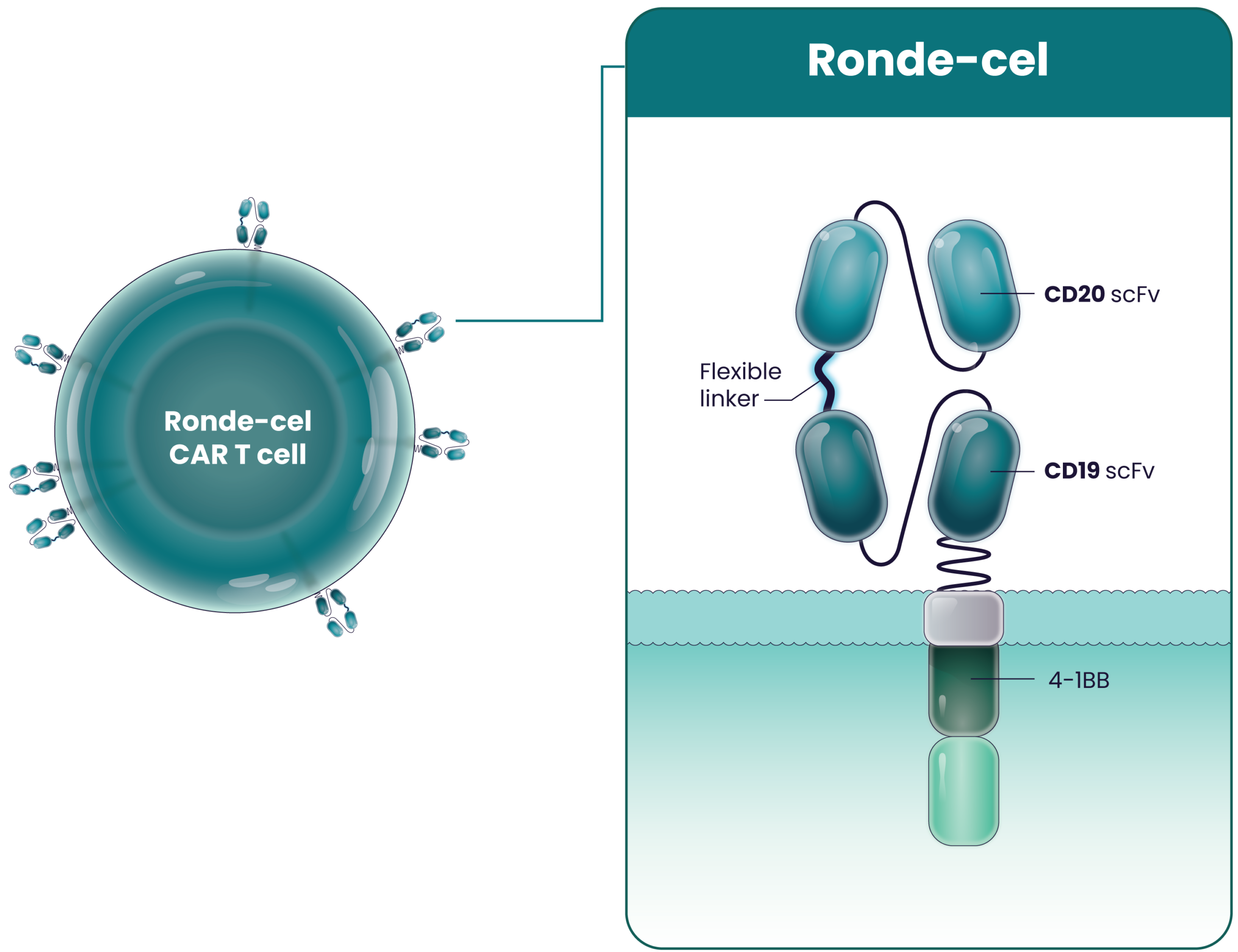
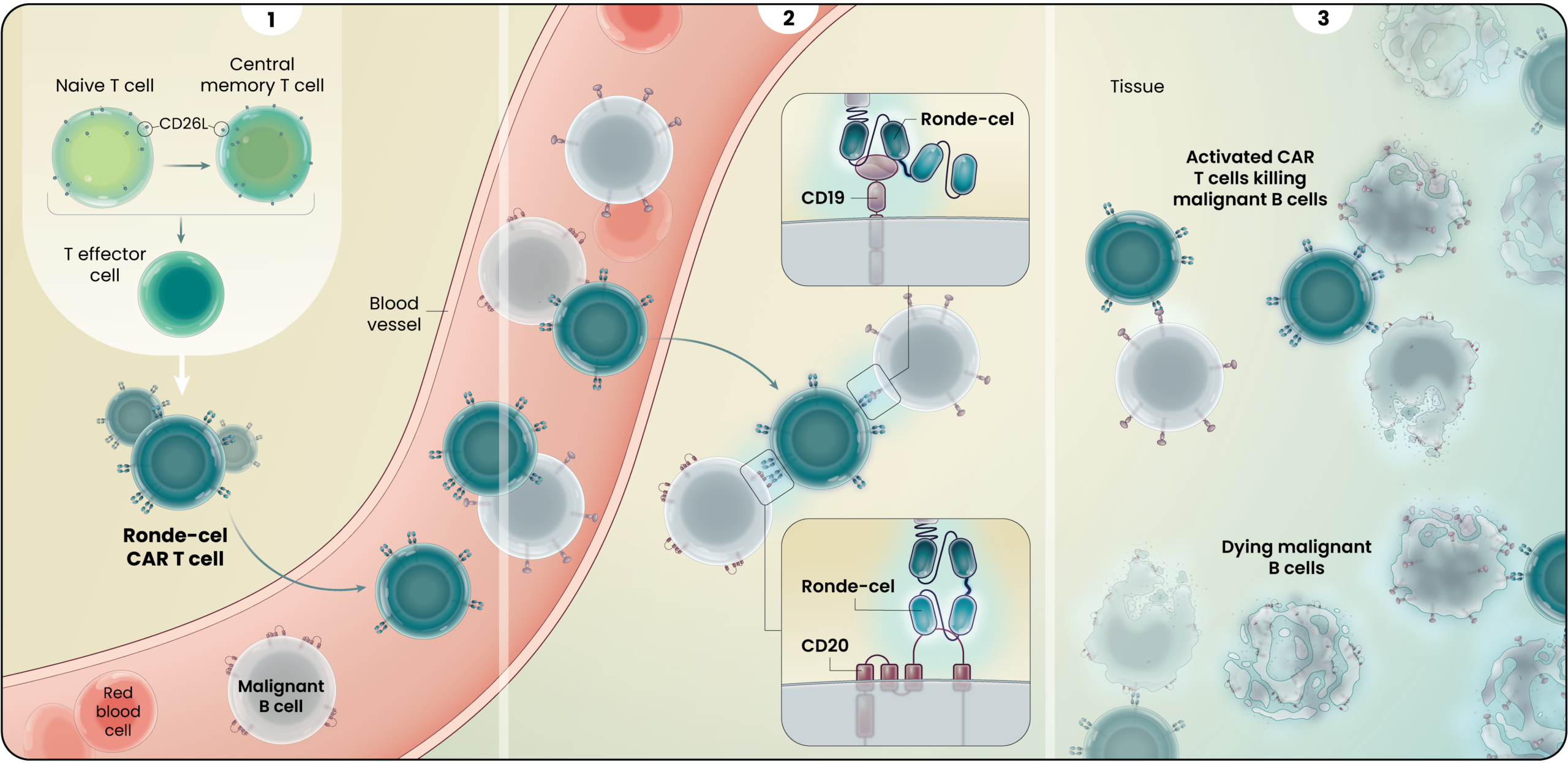
Illustration of the Ronde-Cel CAR T cell showing the dual-targeting CAR construct highlighting the CD20 and CD19 scFv domains, a flexible linker, and 4-1BB domain.

Ronde-Cel’s Proposed Mechanism of Action

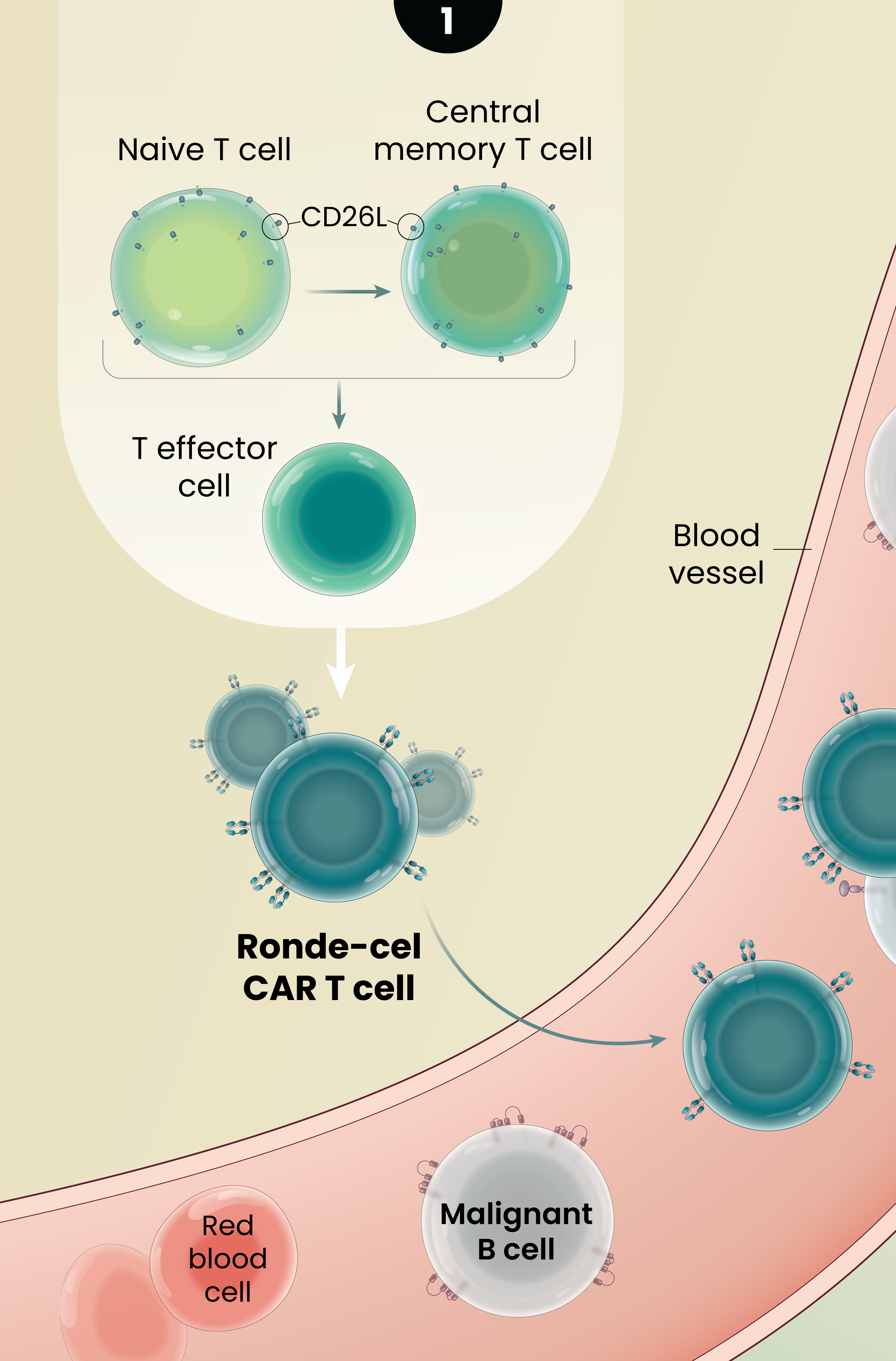
3-panel illustration of the proposed mechanism of action of Ronde-cel CAR T cells against hematologic malignancies. Panel 1 contains an inset showing that Ronde-cel CAR T cells are generated from CD62L-positive less differentiated T cells. The cells are then introduced into a blood vessel to show their travel along with malignant B cells. Panel 2 shows CAR T cells and malignant B cells arriving into tissue. There, the CAR T cells are able to bind both CD20 and CD19-positive malignant B cells. Zoomed in insets provide closeup views of the Ronde-cel CAR construct binding to the CD20 and CD19 receptors using its respective binding sites. Panel 3 shows the dual-targeting CAR T cells killing the malignant B cells.
Illustration of the proposed mechanism of action of Ronde-cel CAR T cells against hematologic malignancies. An inset shows that CAR T cells are generated from CD62L-positive less differentiated T cells. The resulting CAR T cells are introduced into a blood vessel to show their travel along with malignant B.

1

Ronde-cel is manufactured to enrich for naive and central memory cells via selection for CD62L-positive cells. These less differentiated cells have been associated with improved persistence, reduced exhaustion, and lower adverse cytokine production compared to CAR T cells generated from traditional processes.1
1Abramson et al. Lancet 2020, Arcangeli et. al. JCI 2022, Bishop et al. N Engl J Med 2021, Harris et al. Int J Mol Sci. 2020, Neelapu et al. N Engl J Med 2017.
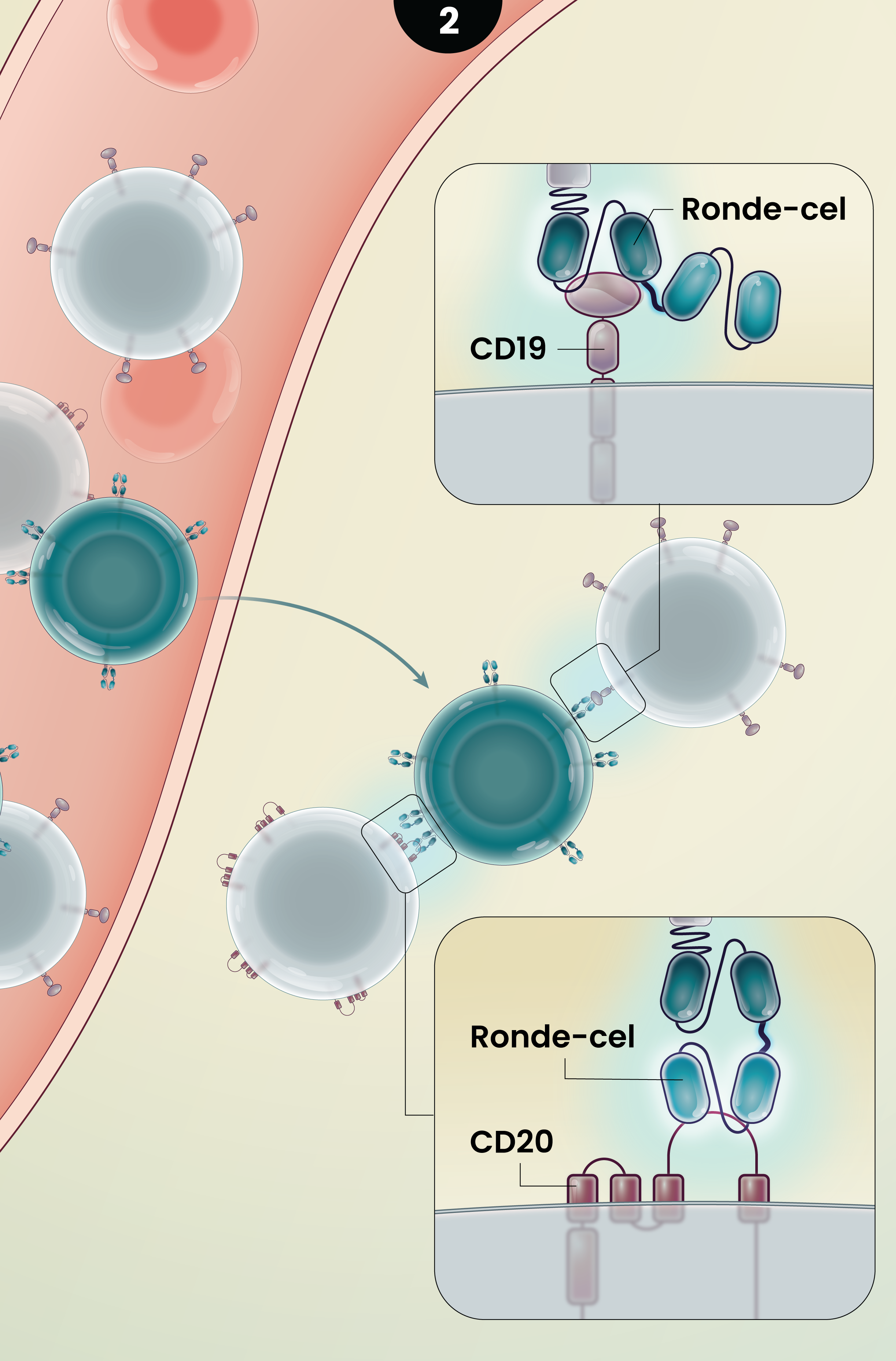
Illustration of the proposed mechanism of action of Ronde-cel CAR T cells against hematologic malignancies. CAR T cells and malignant B cells arrive into tissue. There, the CAR T cells are able to bind both CD20 and CD19-positive malignant B cells. Zoomed in insets provide closeup views of the CAR construct binding to the CD20 and CD19 receptors using its respective binding sites.

2

Ronde-cel is an autologous dual-targeting CD19/CD20 CAR T-cell product candidate designed to recognize two targets, CD19 and/or CD20 antigens expressed on malignant lymphoma cells. These dual-targeting CAR T cells are designed to help more patients achieve complete remission by killing lymphoma cancer cells that express either one or both targets.  
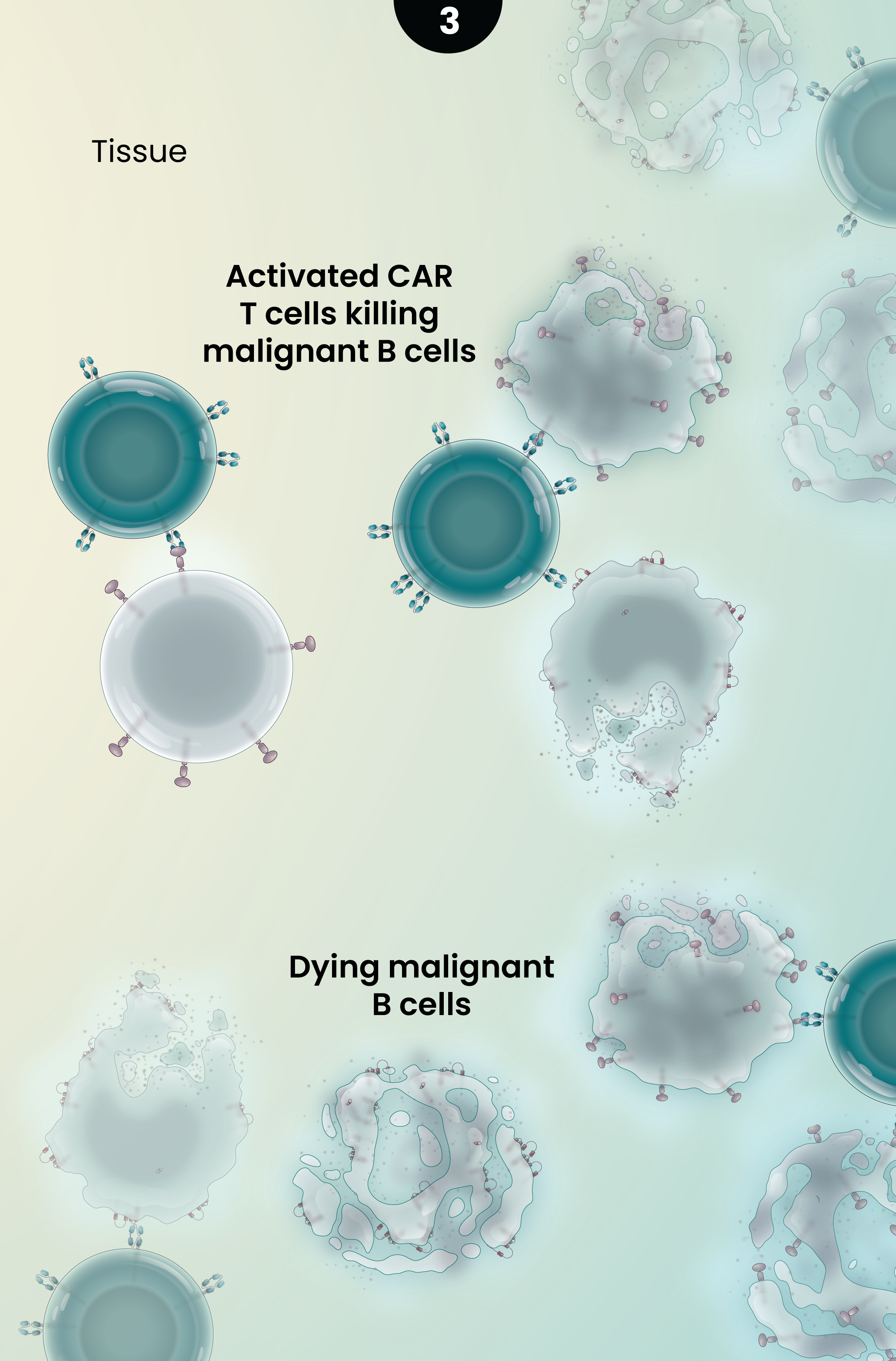
Illustration of the proposed mechanism of action of Ronde-cel CAR T cells against hematologic malignancies. The dual-targeting CAR T cells bind to and subsequently kill malignant B cells.

3

Together, the novel dual-targeting CAR construct and the enrichment for naive and central memory T cells are designed to provide multiple benefits over currently approved CD19 CAR T-cell therapies as they circulate and target malignant B-cells throughout the body. These potential benefits may include:

  • Ability to target lower or heterogeneous CD19 antigen density and result in a higher percentage of complete responses;
  • Increase in the duration of responses by preventing relapse due to CD19 antigen escape; and
  • Longer duration of responses driven by better cell expansion, persistence, and reduced exhaustion.

LYL273

LYL273 is a guanylyl cyclase-C (GCC) targeted CAR T-cell product candidate for the treatment of patients with metastatic colorectal cancer (mCRC) and other GCC-expressing cancers. GCC is a target expressed on 95% of colorectal cancers and a majority of pancreatic adenocarcinomas.

LYL273 is designed to overcome two efficacy barriers in solid tumors: insufficient in vivo expansion post infusion and the hostile or “immunologically cold” tumor microenvironment that employs multiple mechanisms to suppress T-cell infiltration, activation and tumor killing.

The robust 7-day manufacturing process produces consistent LYL273 CAR T-cell products with 3 key CAR T-cell types:
GCC CAR T cells, CD19 CAR T cells, and GCC/CD19 “doublet” CAR T cells.
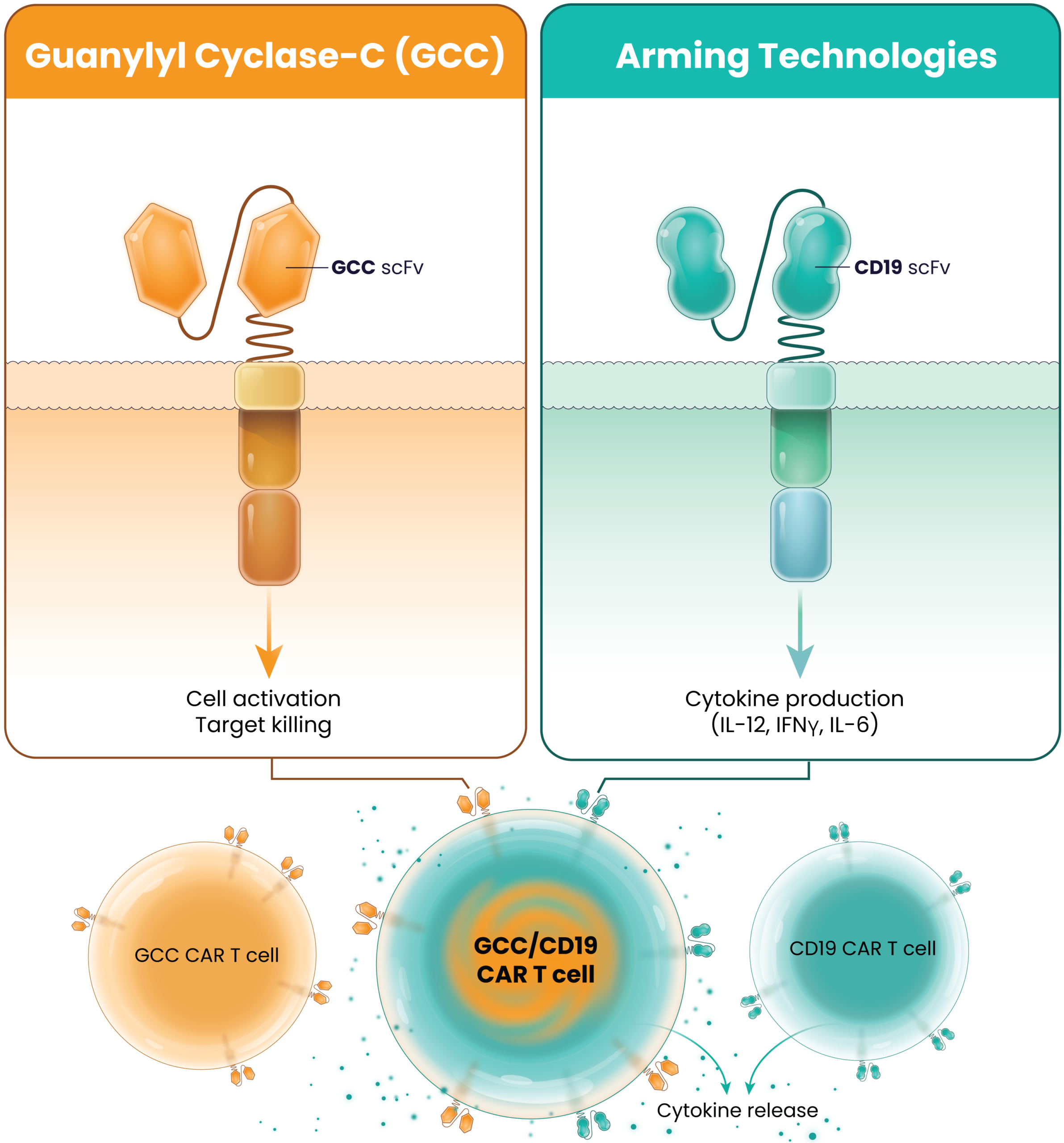
Illustration of the LYL273 guanylyl cyclase-C (GCC)/CD19 CAR T cells releasing cytokines. Two zoomed in insets show the closeup details of both constructs: the GCC- and the CD19-CAR’s respective scFv domains.
LYL273’s GCC CAR directly targets colorectal cancer cells. Additionally, the CAR T cells are armed with two enhancements: CD19 CAR T cells and controlled cytokine release. The level of cytokine release from CD19-expressing CAR T cells is regulated by a specific vector design and usage during manufacturing.
Illustration of the LYL273 guanylyl cyclase-C (GCC)/CD19 CAR T cells releasing cytokines. Two zoomed in insets show the closeup details of both constructs: the GCC- and the CD19-CAR’s respective scFv domains.
LYL273’s GCC CAR directly targets colorectal cancer cells. Additionally, the CAR T cells are armed with two enhancements: CD19 CAR T cells and controlled cytokine release. The level of cytokine release from CD19-expressing CAR T cells is regulated by a specific vector design and usage during manufacturing.

LYL273’s Proposed Mechanism of Action

Guanylyl cyclase-C, or GCC, expression is limited to the apical surface or the luminal side of the colon, making it less accessible to CAR T cells. In colorectal cancers, this polarity in GCC expression is disrupted, exposing the GCC antigen to CAR T cells, that can then target and kill the cancer cells while sparing the adjacent healthy gastrointestinal tissue as illustrated below.
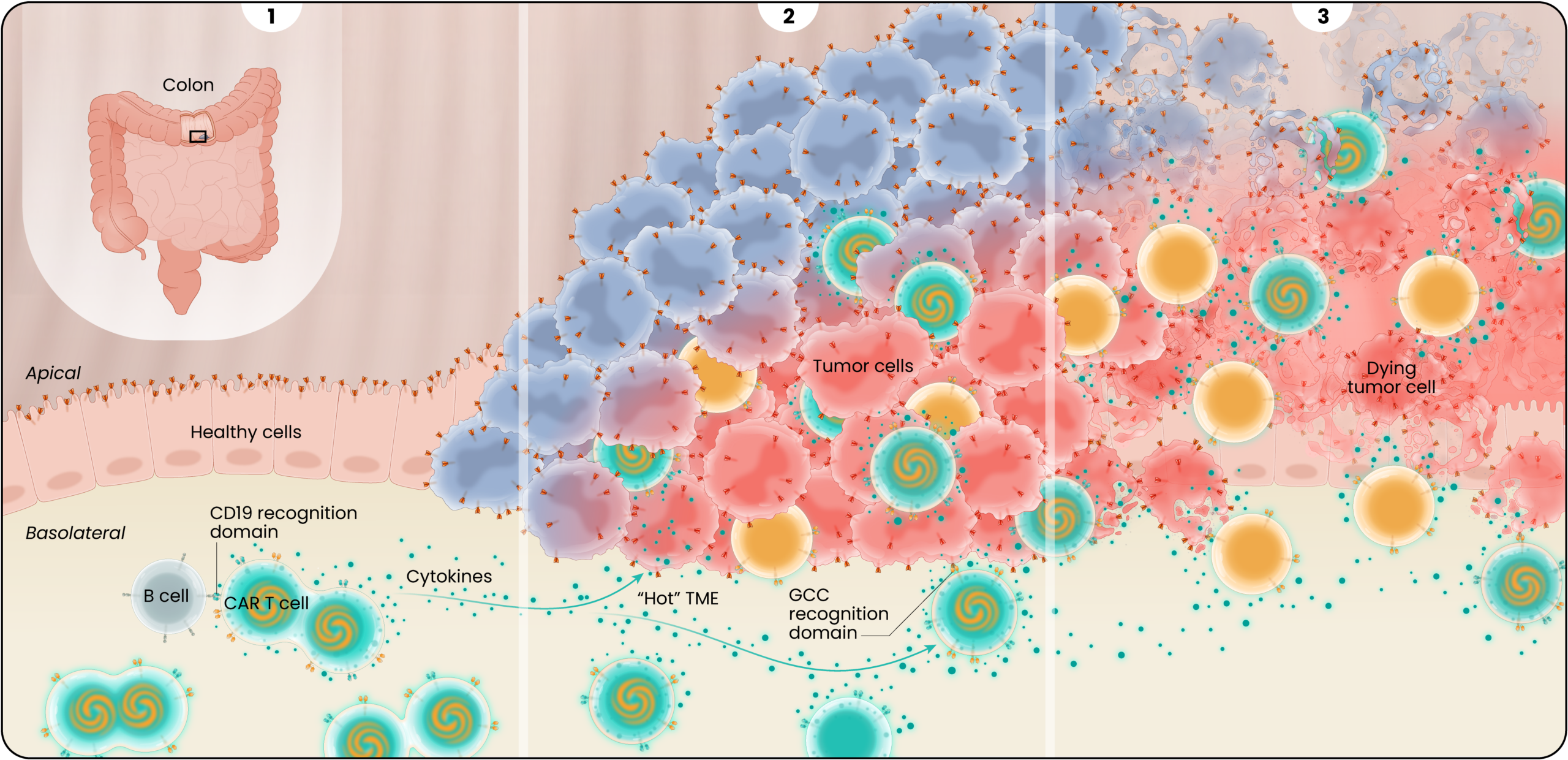
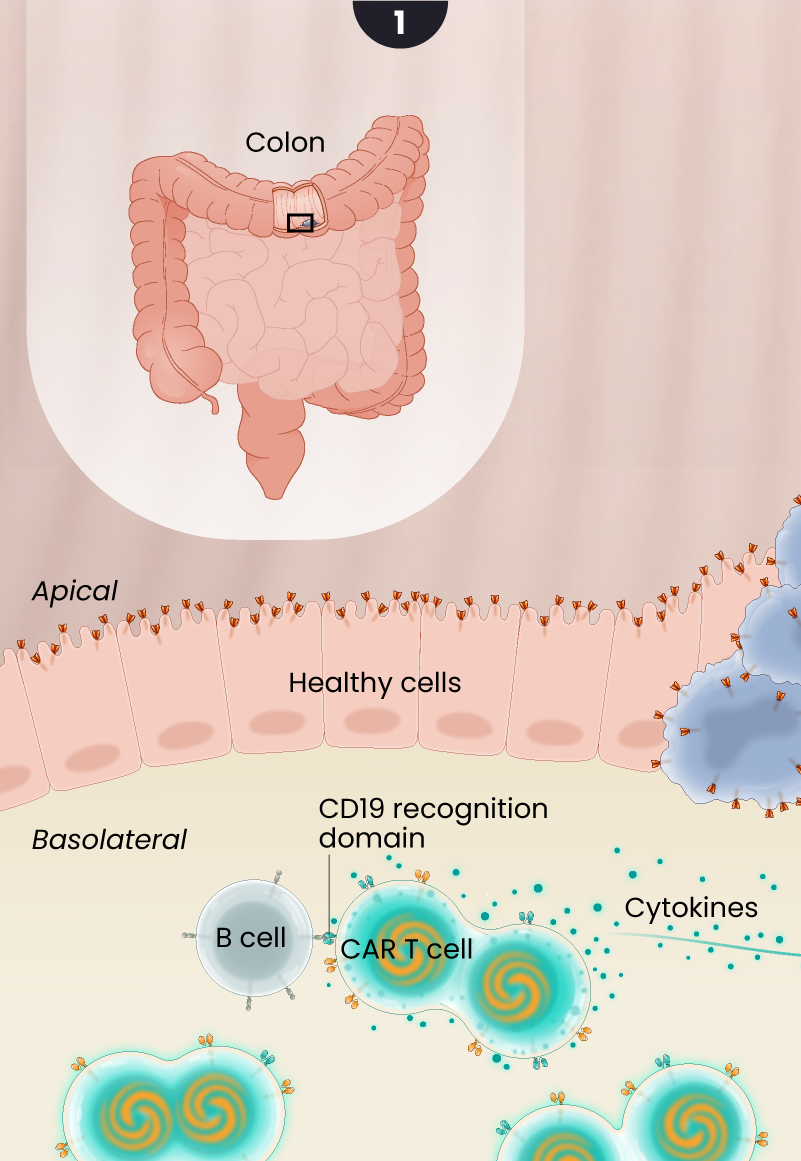
3-panel illustration of the proposed mechanism of action of LYL273 CAR T cells against colorectal cancer. Panel 1 contains an inset of the tumor location in the transverse colon and a cross-section of the colon’s cellular environment. The CAR T cells recognize the CD19 receptor on B cells on the basolateral side of the colon. The CAR T cells actively replicate, and begin releasing cytokines. Panel 2 shows the activated guanylyl cyclase-C (GCC)/CD19 doublet and GCC CAR T cells infiltrating the tumor where they bind to overexpressed GCC receptors on the tumor cells. The CAR T cells continue releasing cytokines to turn the immunologically cold tumor “hot.” Panel 3 shows the CAR T cells continuing to infiltrate the tumor and killing the tumor cells while leaving healthy cells untouched.
Illustration of the proposed mechanism of action of LYL273 CAR T cells against colorectal cancer. An inset of the tumor location in the transverse colon and a cross-section of the colon’s cellular environment. The CAR T cells recognize the CD19 receptor on B cells on the basolateral side of the colon. The CAR T cells actively replicate, and begin releasing cytokines.

1

After LYL273 CAR T cells are infused, they rapidly encounter B cells in the circulation. Upon binding to the B cells, cytokines are released and the GCC/CD19 “doublet” CAR T cells begin to expand and multiply. These cells become available to attack the cancer cells but avoid targeting healthy cells in the polarized gut epithelium where GCC antigen is sequestered from the circulation.
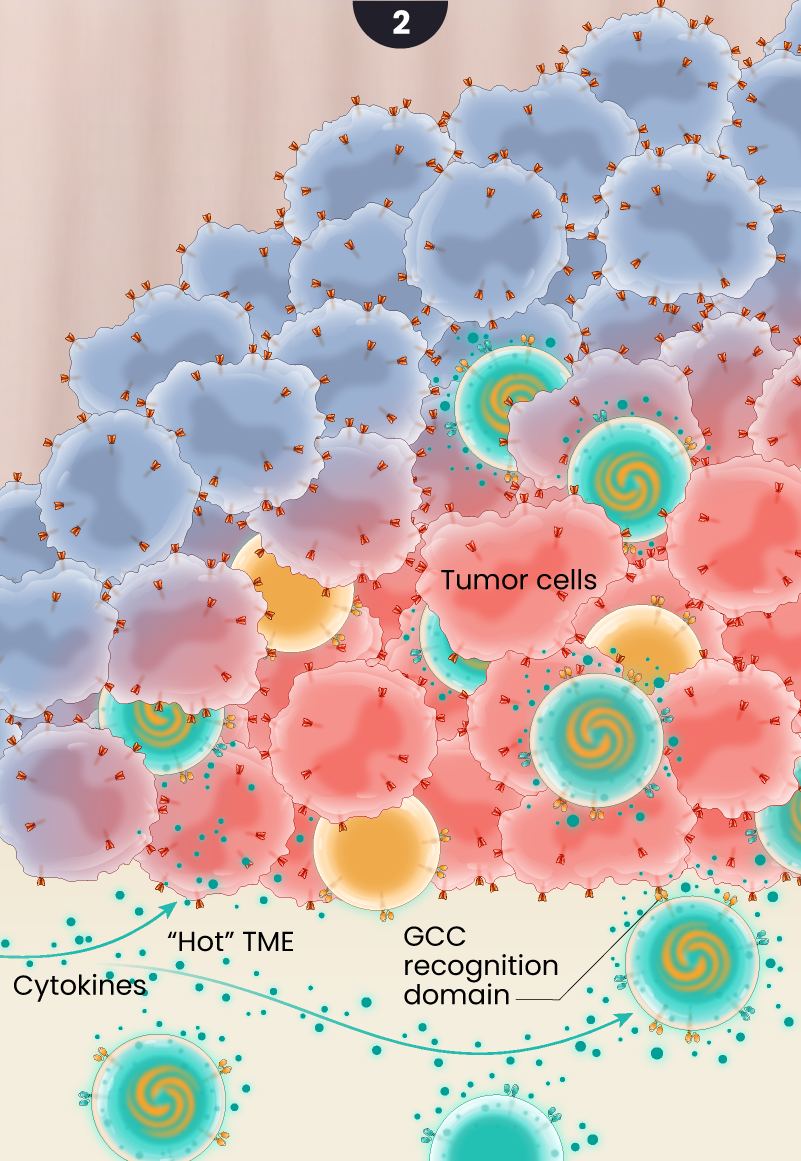
Illustration of the proposed the mechanism of action of LYL273 CAR T cells against colorectal cancer. Activated guanylyl cyclase-C (GCC)/CD19 doublet and GCC CAR T cells infiltrate the tumor where they bind to overexpressed GCC receptors on the tumor cells. The CAR T cells continue releasing cytokines to turn the immunologically cold tumor “hot.”

2

The GCC/CD19 doublet and the GCC CAR T -cells infiltrate the tumor where they bind to and kill colorectal cancer cells and the doublet cells release cytokines in a controlled fashion creating antitumor or pro-inflammatory signaling. The cytokine secretion is believed to “warm up” the hostile or “immunologically cold” tumor microenvironment, helping to recruit additional cancer-killing immune cells to help support the GCC-targeted CAR T cells.

Illustration of the proposed mechanism of action of LYL273 CAR T cells against colorectal cancer. CAR T cells continue to infiltrate the tumor and kill the tumor cells while leaving healthy cells untouched.

3

Partnering the GCC CARs with the cytokine-secreting CD19 CARs results in effective cancer cell killing by ensuring adequate cell expansion, tumor infiltration, and recruitment of additional supporting immune cells.